We’ve spent a good few decades watching the textile industry turn our consumption habits upside down. In the end, what with the constant rush and that obsession with clearing out our wardrobes every five minutes, we’ve ended up treating clothes as single-use items. And of course, the planet isn’t laughing: this relentless cycle of producing and discarding leaves an enormous footprint on natural resources and creates mountains of textile waste that are increasingly hard to swallow.
Sometimes you just need to pause for a moment and think about what you’re wearing. Not to follow some fleeting trend, but out of sheer common sense. After all, choosing something durable is simply about opting for well-made things—no mystery to it.
The road to fast accumulation
If you look back, it’s easy to see how we got here. The fashion machine hasn’t blinked when it comes to speeding up design and distribution cycles. Collections that appear and disappear in the blink of an eye nudge us towards impulse buys, reducing the actual time we spend with each garment to next to nothing.
From the inside, this model acts like a proper steamroller: it consumes raw materials at breakneck speed and manufactures flat out, trampling over any hint of durability. We end up paying the price almost daily: fabrics that thin out to nothing after four washes, seams that give way at the slightest strain, or clothes that practically ask for early retirement within a matter of months.
The real issue isn’t just having to replace whatever tears or breaks; it’s ruining a creative process that ought to be built to last. Demanding quality and taking our time with clothing should simply be the norm.

Buying with discernment and an eye for detail
Investing in garments that stand the test of time means changing how we approach buying them. Far from looking for quick fixes or getting swept up in seasonal whims, the true value of a good piece lies in its tangible qualities and functional design.
When assessing a garment, it pays to focus on a few specific details:
- Fabric composition and weight: Durable fibres such as linen, good-quality cotton or carefully considered blends offer a better drape, comfort, and resistance to everyday wear and tear.
- Pattern-making and construction: A well-designed structure ensures the garment fits naturally and retains its original shape season after season.
- Finishes and haberdashery: Sturdy seams and neat, careful detailing on trimmings are direct indicators of craftsmanship.
A garment with these features doesn’t need marketing gimmicks to justify its place in your wardrobe. What’s more, having versatile, high-quality pieces makes them effortless to style in multiple ways, adapting to different occasions and personal preferences without relying on the expiry dates of fashion trends.
How to care for clothes to extend their lifespan
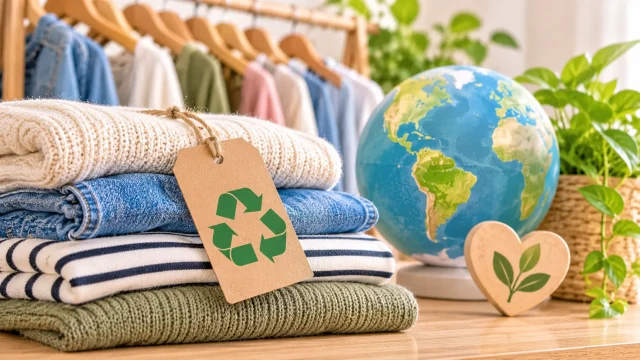
Buying with discernment is the first step, but day-to-day care is what truly allows clothes to keep their quality over the years. Adopting small maintenance habits makes a direct difference in preserving fabrics:
- Wash in moderation and at lower temperatures: Not every garment requires a full wash after a single wear. Using short cycles and cold water protects textile fibres and stops colours from losing their original vibrancy.
- Be mindful of drying: Wherever possible, it’s best to skip the tumble dryer and air-dry instead, which helps preserve the elasticity and structure of the fabrics.
- Mend in good time: A loose button, a frayed seam or an undone hem are minor hiccups that are easily fixed. Heading to a tailor or taking up basic sewing restores functionality to clothing instead of sending it to landfill.
Enjoying clothes for longer is a way of regaining a practical, conscious approach to our wardrobes. Every piece that stays in our wardrobe season after season represents a firm choice in favour of quality, durability, and respect for the resources that made it possible.